Green Alternatives for Recycling Your Kitchenware
Green Alternatives for Recycling Your Kitchenware: A Complete, Friendly Expert Guide
Ever opened the back of the kitchen cupboard and found a tangle of pans you haven't used since, well, the last house move? You're not alone. From chipped mugs to wobbly non-stick pans and that spare kettle, our kitchens collect more gear than any other room. This guide digs into truly Green Alternatives for Recycling Your Kitchenware--practical, UK-friendly, and planet-positive. We'll walk you through smart reuse, responsible recycling, and surprisingly creative options that feel good and do good. And yes, we'll cover the tricky stuff like knives and non-stick coatings with clear, safe steps.
We wrote this as a warm, expert companion--not a dry manual. Expect clarity, a little humour, and honest, field-tested advice from people who've stood in the queue at the recycling centre on a rainy Saturday, holding a box of mismatched lids (it rattles, loudly). Let's make your kitchen clutter-free and your conscience cleaner. Clean, clear, calm. That's the goal.
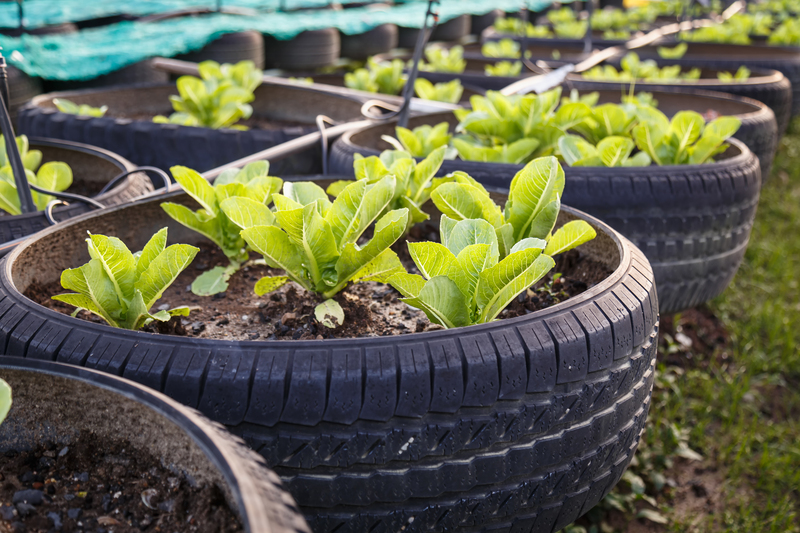
Table of Contents
- Why This Topic Matters
- Key Benefits
- Step-by-Step Guidance
- Expert Tips
- Common Mistakes to Avoid
- Case Study or Real-World Example
- Tools, Resources & Recommendations
- Law, Compliance or Industry Standards (UK-focused)
- Checklist
- Conclusion with CTA
- FAQ
Why This Topic Matters
Pots, pans, knives, glassware, plastic containers, the odd smoothie maker--kitchenware is a blend of materials that don't always sit neatly in one recycling box. Tossing them into general waste is easy, but it's not exactly green. The good news? There are many eco-friendly alternatives to help you declutter responsibly and even save money. When we talk about Green Alternatives for Recycling Your Kitchenware, we're talking about a mindset: reuse where possible, repair when practical, and recycle correctly when you're truly done.
From an environmental perspective, the stakes are high. Manufacturing metals like aluminium and steel is energy-intensive; recycling them saves significant energy and cuts greenhouse gas emissions. Recycling aluminium, for example, often saves around 95% of the energy compared to producing it from raw materials; steel recycling typically saves between 60%-74% of energy. Add glass, ceramics, and plastics into the mix and the benefits multiply. On the social side, donations keep items in use longer and support local charities, community kitchens, and students setting up their first flat. That battered but honest saucepan can cook a hundred more pastas yet.
Micro moment: A client in Hackney told us she'd been storing three extra colanders "for guests"--guests who never came. We donated two and turned the third into a herb planter. It looked fantastic, mint spilling everywhere. Small change, big lift.
Key Benefits
Choosing sustainable options for kitchenware isn't just about less waste--it's about smarter living. Here's what you gain when you prioritise Green Alternatives for Recycling Your Kitchenware:
- Lower carbon footprint: Recycling metals and glass dramatically reduces energy use versus producing new materials.
- Less clutter, more calm: A streamlined kitchen makes cooking more enjoyable and reduces that low-level stress you feel when you can't find the right lid. We've all been there.
- Cost savings: Repairing a pan handle or sharpening knives is far cheaper than buying new. Donating or trading also helps others save.
- Community support: Donations to charity shops and community kitchens help local families, students, and shelters.
- Compliance and safety: Following UK waste rules avoids fines and keeps hazardous items (like damaged knives) handled properly.
- Circular economy: Keeping materials in use works toward a system where nothing is wasted unnecessarily--less extraction, less pollution.
- Space reclaim: Clear cupboards, clear head. It's not just tidier; it's kinder to your morning mood.
Step-by-Step Guidance
This step-by-step path turns a chaotic cupboard into a responsible, rewarding outcome. It's designed to be practical for London flats, rural cottages, and everything in between.
1) Pull Everything Out and Sort by Material
Lay out your kitchenware on a table or clean floor. Group into metals (stainless steel, aluminium, cast iron), glass and ceramics (mugs, plates, Pyrex), plastics (storage tubs, bottle lids), wood/bamboo, silicone, and electricals (kettle, blender). Keep knives separate for safety. This material-first approach is the backbone of eco-friendly kitchenware recycling because different items have very different end-of-life paths.
Micro moment: You could almost smell the cardboard dust in the air as one client unpacked a decade-old box--inside, four unused baking tins. Mint condition. Straight to the donation stack.
2) Decide: Keep, Repair, Donate, Recycle, or Upcycle
- Keep: Only what you use monthly. Be honest. A single great pan beats three poor ones.
- Repair: Loose handles, wobbly lids, chipped cutting boards--many are fixable.
- Donate: Good-condition items to charity shops or community groups.
- Recycle: Metal pots, pans, and certain glassware are often accepted at Household Waste Recycling Centres (HWRCs).
- Upcycle: Colanders as planters, jars for pantry storage, a pan lid as a quirky clock face. Yes, really.
3) Prepare Items for Reuse or Donation
- Wash thoroughly and dry to prevent musty smells.
- Bundle similar items (e.g., two matching mugs, a set of utensils). Sets move quickly at charity shops.
- Note any minor flaws honestly; it helps volunteers triage faster.
- For knives: check the charity's policy--many don't accept them. If they do, wrap blades securely.
UK-friendly donation outlets include local charity shops (British Heart Foundation, Sue Ryder, Marie Curie), university reuse schemes for students, and neighbourhood sharing groups.
4) Repair and Refurbish What You Love
Before you toss that favourite skillet, consider:
- Cast iron or carbon steel: Re-season at home. A light scrub, dry, then thin oil layer and into a hot oven. Pan sings again.
- Handles and knobs: Many are replaceable. A universal knob can rescue a lid in minutes.
- Knife sharpening: Professional sharpening costs less than a new knife and feels like magic. The first slice through a tomato--silent, effortless.
- Food-grade plastics: If stained, soak in bicarbonate of soda and warm water; replace seals on containers rather than buying new sets.
5) Recycle Metals the Right Way
Metals are the easiest win in Green Alternatives for Recycling Your Kitchenware. Here's the scoop:
- Pots and pans (steel, aluminium): Often accepted at HWRCs in the metal skip. Some councils or scrap dealers accept them as mixed metal. Remove plastic handles if possible.
- Non-stick pans: Many metal recyclers still accept them; the coating is separated during processing. It's best practice to confirm with your local site.
- Cast iron: Highly recyclable--heavy, yes, but valued as scrap. Great candidate for donation if still functional.
Tip: If bringing metal to a scrap yard, you'll likely need ID due to the Scrap Metal Dealers Act 2013, and payment (if any) will be cashless.
6) Handle Glass, Ceramic, and Pyrex Carefully
Regular glass bottles are one thing; cookware is another. Heat-treated glass (e.g., Pyrex) and ceramics cannot go in the kerbside glass box. They have different melting points and contaminate the glass stream. Instead:
- Bring to your HWRC if they accept non-packaging glass/ceramics in a dedicated skip.
- Donate intact, chip-free items--mugs, bowls, baking dishes--if they're in good condition.
- Upcycle creative pieces (old teapot as a planter, for example).
7) Sort Plastics, Silicone, and Wood
- Plastics: Food containers made of PP (no. 5) or HDPE (no. 2) are widely recyclable, but check your council's rules. Older, cloudy containers may contain additives--reuse for non-food storage or recycle if accepted.
- Silicone: Not typically recycled kerbside. Some specialist recyclers accept platinum-grade silicone. If it's still safe, keep using it--it's durable.
- Wood/bamboo: Compost untreated wood in garden waste (if allowed), or repurpose as plant markers. Many HWRCs accept wood waste.
8) Deal with Small Electricals (WEEE)
Kettles, toasters, blenders, coffee machines fall under WEEE (Waste Electrical and Electronic Equipment). Options:
- Retailer take-back: When you buy a new item, many retailers offer a take-back scheme for the old one.
- HWRC drop-off: Most centres have a WEEE area for small appliances.
- Repair cafes: Community groups often fix minor faults--satisfying and social.
Truth be told, most kettles fail for trivial reasons (limescale, loose connection). A 10-minute fix sometimes does the trick.
9) Safe Options for Knives and Blades
Knives can often be sharpened and reused. If disposal is necessary:
- Wrap blades securely in several layers of cardboard and tape. Mark "sharp".
- Ask your HWRC about metal recycling for knives; some accept them in the metal skip.
- Check for local amnesty or blade banks. Do not carry knives openly--follow the UK Offensive Weapons Act guidance.
- Some community kitchens accept knife donations if safe and allowed. Always confirm.
10) Upcycle Creatively
Not everything must leave your home. A few ideas people actually use:
- Colander herb garden (the drainage is perfect).
- Pan lids as wall art or quirky photo frames.
- Glass jars for zero-waste pantry storage--rice, pulses, loose tea.
- Old chopping board as a cheese board after sanding and oiling.
It was raining hard outside that day when we hung three vintage lids in a small Battersea kitchen. Instant charm. And a nice metallic clink when the window's open.
Expert Tips
- Think in material streams: Whenever you buy something new, ask: what's its end-of-life? Stainless steel and cast iron are big wins.
- Choose modular: Lids and handles that can be replaced keep items in service longer.
- Batch your drop-offs: Donate and recycle in one trip. Less mileage, fewer errands. Sanity preserved.
- Photograph sets: If you're selling or giving away, a clean photo with sizes helps items move fast.
- Test before tossing: Wobble a pan on the hob, check handle screws, try a different plug for appliances--it's often minor.
- Avoid panic-purging: Sleep on it. If you haven't used an item in a year, fair enough--move it on with intention.
- Storage matters: Dry thoroughly before storage; moisture and cupboards are frenemies.
One more: label a "maybe" box for 30 days. If you don't reach for it, you know the answer.
Common Mistakes to Avoid
- Putting Pyrex and ceramics in the glass recycling box: They don't belong. Different melting points = contamination.
- Assuming all plastics are recyclable: Check the resin code and local guidance. Mixed plastics are tricky.
- Throwing away fixable items: A handle screw, a new knob, a re-seasoned pan--easy wins.
- Donating unclean or unsafe items: Charity volunteers are heroes, not cleaners-in-chief. Present items ready to use.
- Ignoring WEEE rules: Small appliances need proper recycling streams to recover metals and keep toxins out of landfill.
- Carrying knives unsafely: Wrap securely and follow the law. No exceptions.
- Overbuying replacements: Reduce first. It's greener--and cheaper.
Yeah, we've all been there--someone bins a Pyrex dish in the green box and wonders why the council leaflet sighs at them next week.
Case Study or Real-World Example
Case: The North London Pan Pile
Background: A family in Islington asked for help before a kitchen refit. They had 17 pans (yep), four colanders, three kettles (two broken), and a drawer of plastic tubs without lids (or was it lids without tubs?).
Action plan:
- Keep: 1 cast iron skillet, 1 stainless steel saucepan set (3), 1 stockpot, 1 non-stick egg pan still in good condition, 1 colander.
- Repair: Re-seasoned cast iron, replaced one lid knob, sharpened three knives.
- Donate: Five pans, baking trays, two colanders, and a full dinner set to a local charity shop.
- Recycle: Two broken kettles via WEEE at the HWRC, three warped pans in the metal skip, mixed cutlery as metal.
- Upcycle: One colander planter, three jars for dry goods, wooden board sanded and oiled into a serving board.
Outcome (six weeks later): Fewer items, but everything used weekly. Cooking sped up, less rummaging, less noise (no avalanche of pans when reaching for one). Environmentally, most metal stayed in circulation, and the charity sold the set quickly. The family said the kitchen "felt bigger"--even though nothing moved an inch. You'll see why once you try it.
Tools, Resources & Recommendations
Here's a handy toolkit for Green Alternatives for Recycling Your Kitchenware in the UK:
- Council recycling services: Check your local council's site for HWRC locations, booking rules, and accepted materials. Many require proof of address and have specific skips for metal, WEEE, wood, and ceramics.
- Repair cafes: Community events where volunteers help fix small appliances and sometimes cookware handles/knobs.
- Sharing and donation platforms: Freegle, Freecycle, Buy Nothing groups, Facebook Marketplace, Gumtree, and community kitchens.
- Knife sharpening services: Local cobblers/key cutters, mobile sharpening vans, or independent specialists--often surprisingly affordable.
- Scrap metal dealers: For mixed metals (pans, cutlery). Bring ID; expect cashless transactions.
- Eco-friendly replacements: If you must buy, choose long-life materials: stainless steel, cast iron, carbon steel, borosilicate glass, and responsibly sourced wood. Seek replaceable parts (handles/knobs/seals).
- Storage aids: Pan racks, lid organisers, glass jar labels. An organised kitchen naturally reduces impulse buying.
Personal pick: a universal pan-lid knob kit. Costs little, saves countless lids. It's a tiny hero.
Law, Compliance or Industry Standards (UK-focused)
Staying compliant isn't just about avoiding fines--it protects workers, communities, and the environment. Key UK points relevant to Green Alternatives for Recycling Your Kitchenware:
- Waste Hierarchy (UK law): Enshrined in the Waste (England and Wales) Regulations 2011, the hierarchy prioritises prevention, reuse, recycling, recovery, and disposal as a last resort. Your kitchen plan should follow this order.
- WEEE Regulations 2013: Small electricals like kettles and mixers must go through approved WEEE streams. Retailers often provide take-back when selling a replacement.
- Scrap Metal Dealers Act 2013: Dealers must be licensed; ID is required; payments are cashless. This affects dropping off large metal loads (e.g., cast iron pans, bulk cutlery).
- Duty of Care - Environmental Protection Act 1990 & Code of Practice: If you use a waste carrier or arrange collection, you have a duty to ensure they're licensed and your waste is handled appropriately.
- Offensive Weapons Act & related guidance: Carrying knives in public is tightly controlled. If you're transporting knives for disposal or sharpening, wrap securely and go directly to your destination.
- Local Council Policies: HWRC access may require booking, residency proof, or vehicle restrictions. Some sites have specific rules for ceramics or non-stick pans--check before you go.
- Standards for treatment of WEEE: Many facilities align with EN 50625 series for collection, logistics, and treatment of WEEE, ensuring safe and environmentally sound processing.
Note: Regulations evolve. For the latest guidance, check your local council and national environment bodies (e.g., Defra, WRAP). When in doubt, ask. They're usually helpful.
Checklist
Use this quick list to keep your Green Alternatives for Recycling Your Kitchenware project on track:
- Sort items by material: metal, glass/ceramic, plastic, wood/bamboo, silicone, electricals, knives.
- Choose a route: keep, repair, donate, recycle, upcycle.
- Clean items destined for reuse or donation.
- Remove plastic handles from pans if recycling as metal (optional, but neat).
- Check local council rules for HWRC and kerbside limitations.
- Use retailer take-back for small appliances (WEEE).
- Wrap knives safely; confirm acceptance before you travel.
- Photograph donation sets; post on neighbourhood platforms if needed.
- Plan one consolidated trip to reduce mileage.
- Track replacements: buy durable, repairable items only when necessary.
Conclusion with CTA
In the end, sustainable kitchenware recycling isn't about being perfect--it's about making better choices, one pan, one mug, one kettle at a time. Choose reuse first, repair when you can, and recycle with care. Your kitchen will feel lighter, and frankly, so will you. To be fair, it's oddly satisfying hearing a tidy cupboard door close without that pan-clang.
Ready to clear the clutter the right way? Whether you're donating a set, recycling a stack of pans, or handling tricky items like knives and small appliances, there's a clean, responsible path forward.
Get a free quote today and see how much you can save.
Take a breath. You've got this. And your next cuppa will taste better in a kitchen that's finally in order.
FAQ
What are the greenest options for getting rid of old pots and pans?
Prioritise reuse and donation if they're still functional. If not, metal pans (stainless, aluminium, cast iron) are widely recyclable at HWRCs or scrap yards. Remove plastic handles if possible. Many non-stick pans are still accepted for metal recycling--check with your site.
Can I put Pyrex or broken crockery in my kerbside glass recycling?
No. Heat-resistant glass (e.g., Pyrex) and ceramics have different melting points and contaminate the glass stream. Use HWRC ceramic/glass skips if available or reuse/upcycle when safe.
What's the best way to dispose of knives in the UK?
First, consider sharpening and reuse. If disposing, wrap blades in sturdy cardboard, tape securely, label as "sharp," and check your HWRC's metal skip policy or local amnesty/collection options. Follow UK laws on carrying knives--go directly from home to the disposal point.
My kettle and toaster stopped working. Are they recyclable?
Yes. They are WEEE (Waste Electrical and Electronic Equipment). Use retailer take-back when buying a replacement or take them to your HWRC's WEEE section. Repair cafes may fix simple faults too.
Do charity shops accept cookware and tableware?
Most accept clean, safe, and functional items like pans, utensils, mugs, plates, and glasses. Some do not take knives or chipped items. Call ahead--policies vary.
Is non-stick cookware recyclable given the coating?
Often, yes--as mixed metal at HWRCs or scrap yards. The coating is managed during processing, but policies vary. It's best to confirm locally. If the pan is still usable, donation is even greener.
What plastics from the kitchen are recyclable?
Food containers made of HDPE (no. 2) and PP (no. 5) are commonly accepted. Check local council rules for your kerbside scheme. Old or degraded containers can be reused for non-food storage or recycled if permitted.
Are silicone baking mats recyclable?
Kerbside recycling rarely accepts silicone. Some specialist programs exist, but availability is limited. If your mat is intact, the greenest choice is to keep using it--silicone is durable and long-lived.
How do I know if a pan is aluminium or stainless steel?
Use a magnet: it usually sticks to stainless steel (especially magnetic grades) and not to aluminium. Weight and colour also help--aluminium is lighter and paler. Scrap yards can identify metals quickly if you're unsure.
Can I recycle cookware with plastic handles attached?
Many metal recyclers accept them as-is and handle separation, but if you can remove plastic parts easily, do it--it improves material quality. Don't stress if it's a hassle; ask your HWRC for guidance.
What's the most sustainable cookware to buy next time?
Choose long-life, repairable materials: stainless steel, cast iron, carbon steel, and borosilicate glass. Opt for items with replaceable parts (handles, knobs, seals). Buy once, buy well.
How do UK laws affect kitchenware recycling?
The Waste Hierarchy requires prioritising prevention, reuse, and recycling. WEEE rules cover small appliances, the Scrap Metal Dealers Act affects scrap transactions, and knife laws guide safe transport. Councils set local HWRC rules--check before travelling.
Is it worth repairing old non-stick pans?
If the coating is heavily scratched or flaking, repair is rarely economical. Consider donating if safe or recycle as metal. For future purchases, consider stainless steel or seasoned carbon steel for longevity.
Can I sell my old cookware instead of donating it?
Absolutely. Clean sets, quality brands, and cast iron pieces sell well on local marketplaces. Clear photos and honest descriptions help items move quickly and keep them in use.
What should I do with chipped mugs and cracked plates?
If chipped or cracked, they're not ideal for donation. Some HWRCs accept ceramics in a dedicated skip. Upcycle for non-food use (e.g., plant pot saucers) if you like the look.
Are wooden utensils compostable?
Untreated, unpainted wooden utensils can sometimes be composted in garden waste; check local guidance. Otherwise, reuse (plant markers) or drop as wood waste at HWRCs.
How can I ensure my waste carrier is legitimate?
Ask for their waste carrier licence number, company details, and a waste transfer note. In the UK, you have a duty of care to use licensed carriers and ensure responsible disposal.
Any quick wins to make my kitchen instantly greener?
Yes: sharpen knives, re-season one pan, donate duplicates, arrange one HWRC trip for the awkward items, and store dry goods in glass jars you already own. Small moves, big difference.
Final thought: a calmer, cleaner kitchen isn't just about aesthetics--it's about living lighter on the planet, one well-loved pan at a time.