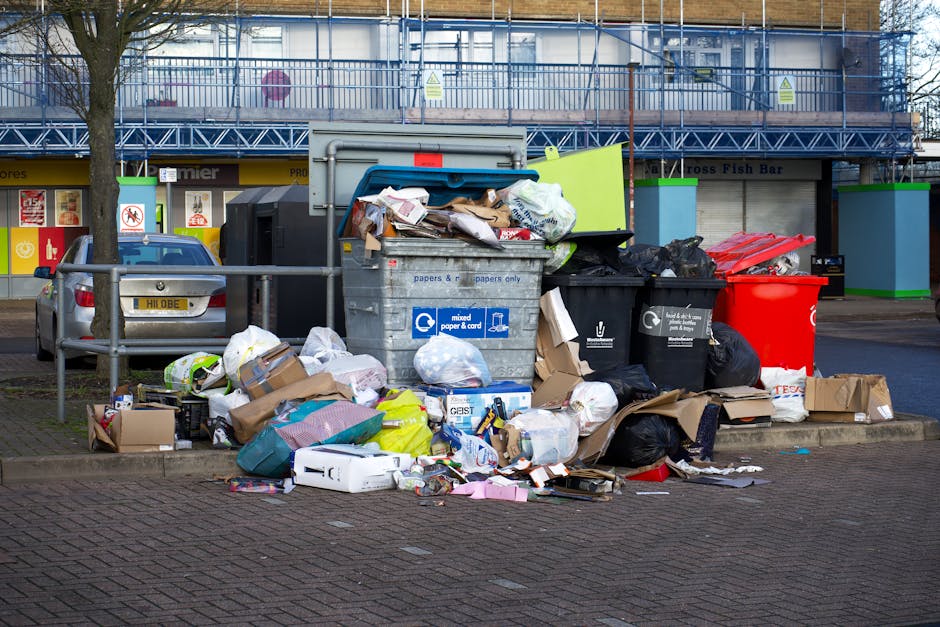
Garden clearance in Catford for tidy, manageable outdoor spaces

Garden clearance in Catford helps homeowners, landlords and managing agents deal with overgrown borders, accumulated cuttings, fallen branches and the mixed waste that can build up after a season of neglect or a project outdoors. Our service is focused on removing unwanted green material and outdoor clutter in a careful, orderly way, so the space can be used again without the strain of handling heavy bags or awkward loads. Whether the garden needs a light tidy or a fuller clearance, the work is approached with practical attention to what can be lifted, sorted and taken away.
The main aim is simple: clear the space properly and leave it ready for the next step, whether that is replanting, lawn care, repair work or a fresh layout. In many gardens, the useful outcome is not just fewer items on site, but a more workable area with edges, paths and access points restored. We handle a broad range of outdoor clearance tasks, from routine green waste removal to more involved clearances where a mix of garden debris and general outdoor items needs separating.
For a straightforward quotation, it helps to outline the size of the area and the kind of material involved. If you are looking at a one-off clearance after pruning, a seasonal reset or a larger tidy-up, send the key details first so the scope can be assessed clearly. If the job includes old pots, broken fittings or garden furniture, those items can be considered alongside the green waste where appropriate. Request a quotation when you are ready and the work can be planned around the actual load and access.
What a garden clearance service can include
Garden clearance work usually begins with identifying the material that needs to go and separating it into sensible groups. Cuttings, branches, hedge trimmings, weeds, leaves and other organic waste are often the core of the job, but many gardens also contain mixed outdoor clutter that needs a little more sorting. A practical service should deal with the waste in a way that keeps reusable or recyclable material distinct from general rubbish, rather than treating everything as one pile. That makes the clearance more efficient and easier to plan.
In some cases, the garden may also contain old compost sacks, damaged planters, broken trellis, soil spoils or weathered outdoor items that are no longer needed. These can be included where they fit the agreed scope, provided the load is described accurately at the quotation stage. The clearer the description, the easier it is to estimate the work involved and organise the right approach. If you have a strong sense of what needs clearing, you can keep the enquiry simple and precise.
For larger or more awkward clearances, access matters just as much as volume. Narrow side passages, stepped paths, rear-garden entry and shared access can all affect how the work is carried out, especially where heavy bags or bulky items are involved. A reliable clearance process takes account of the route out, the likely handling time and the need to keep the site as tidy as possible while the job is underway.
Green waste, branches and overgrown growth

Many customers contact us because a garden has become difficult to manage after a period of wet weather, limited maintenance or fast growth during spring and summer. Overgrown beds, self-seeded growth, ivy, hedge cuttings and long grass can quickly create a space that feels more like a storage area than a garden. Clearing that material takes more than a quick sweep; it often needs careful lifting, bagging and removal so the area can be made usable again without damaging the remaining plants or hard surfaces.
Green waste can be surprisingly bulky once it is cut back and gathered. Branches spring apart, stems tangle with fencing and roots can hold bits of soil and debris. That is why a proper clearance has to balance speed with care. The goal is not just to remove volume, but to do so in a way that leaves the garden in a sensible condition for follow-on work. If there are plants to keep, paths to preserve or borders to protect, those points should shape how the clearance is done.
Where the garden contains a mix of fresh growth and older debris, a clear plan helps. A useful way to think about the job is: what must be removed now, what can stay, and what needs special handling because it is brittle, damp or embedded in the site. That approach reduces avoidable mess and keeps the work focused. Careful sorting at the start saves time later, especially where the garden includes both organic waste and items that do not belong with it.
Mixed outdoor items, broken fittings and bulky pieces
Not every garden clearance is purely about green waste. Outdoor areas often collect broken chairs, damaged plant stands, cracked pots, old hose reels, surplus timber, unused edging, collapsed storage units or other items that have reached the end of their life. When these are included in the job, it is helpful to describe them alongside the garden waste so the scope is complete. Mixed loads need more judgement than a simple green-waste-only removal, because different materials may be handled differently once they leave the site.
Some gardens also contain bulky pieces that are awkward to move through the property without care. Items may need to be dismantled or carried in sections, and the safest route may depend on what is placed in the garden, what is fixed in position and how much room is available. A good clearance service works around those constraints, rather than assuming everything can be shifted in one go. The result is a more controlled job, with less disturbance to paths, lawns and nearby structures.
If you are deciding whether an outdoor item belongs in the clearance, consider whether it is weather-damaged, unstable or no longer serving a useful purpose. That simple check often makes the scope clearer. When several different types of waste are involved, a single consolidated quotation is often easier to manage than splitting the job into separate visits. Keep the description honest and complete, and the plan can be built around the real work needed.
How access, load size and site condition shape the work

Clearance work is rarely the same from one garden to the next, because access can change how long the job takes and what equipment or handling method is most suitable. A rear garden reached through a house, a side gate with limited width or a courtyard with shared access all present different practical considerations. The safest route is not always the shortest one, and the easiest way to keep the job efficient is to account for those details early rather than discover them halfway through.
Load size matters too. A few bags of clippings are very different from a larger clearance that includes branches, soil, old timber and bulky outdoor waste. Even within the same garden, the material may vary in density, moisture and handling difficulty. Wet cuttings are heavier, thorny growth is more awkward, and sharp or splintered pieces need sensible care. Those differences affect how the work is organised and why an accurate description is more useful than a rough guess.
Condition of the site also makes a difference. If the garden is heavily overgrown, debris may be hidden under long grass or tangled into borders, which means the clearance has to proceed in layers. Where ground surfaces are fragile or uneven, the method needs to be measured so that the work does not create avoidable damage. A considered service keeps the focus on moving waste out cleanly while respecting the layout already in place.
Preparing a useful quotation
A quotation becomes much more reliable when it is based on a clear description of the material, the approximate amount and any access points that matter. It is useful to note whether the work is a simple tidy-up, a substantial clearance or a mixed job involving both garden waste and other outdoor items. If there are particularly awkward elements, mention them directly rather than leaving them to be discovered later. That makes it easier to match the quote to the real job rather than to an assumption.
One practical way to organise the information is to think in three parts: what is going, how much there is and how it is reached. That can be shared in a short message or discussed in a call, depending on what is easiest. If photographs help explain the condition, they can support the description, but they should be used alongside a clear written summary rather than instead of one. The more complete the enquiry, the more useful the resulting quotation tends to be.
Ask for a quote once the scope is clear, especially if the garden contains several different waste types or if the access is not straightforward. For jobs that involve repeated upkeep, it can also help to explain whether this is a one-off clearance or part of a larger tidy-up plan. We can then align the service to the actual task instead of padding the estimate with unnecessary assumptions or vague allowances.
Garden clearance that supports further outdoor work
A cleared garden is often only the beginning of what the customer wants to do next. Once waste is removed, the area may be ready for pruning, reseeding, border renovation, hard landscaping, fence repairs or a seasonal reset. The clearance therefore needs to leave the space in a condition that makes later work easier, not harder. That means removing loose debris, keeping the usable areas readable and avoiding unnecessary disruption to the surfaces or features that are staying.
Where the next step is planned in advance, the clearance can be adapted to suit it. For example, if certain shrubs are to remain, the work around them should be more selective. If a lawn is due to be restored, compacted waste and hidden debris need extra attention. If the garden is being prepared for trades or property viewing, the finish matters as much as the removal itself. These are not separate services, but they are common outcomes that shape how the clearance is best approached.
Useful work often involves a sequence: identify the unwanted material, remove the waste, check the space and make sure access is left sensible for whatever comes next. That approach is more dependable than rushing through the visible clutter and overlooking the details. In practical terms, the best clearance is the one that leaves the site ready for action rather than still half-obstructed by leftovers.
About Catford
Catford is a district in the London Borough of Lewisham, in south-east London, and it sits within a part of the city shaped by transport routes, residential streets and a mix of civic and commercial spaces. The area is best known for its strong local identity and for landmarks that stand out in the wider borough, including the Catford Cat sculpture above the former department store on Catford Broadway. Catford also has a recognisable town-centre character, with busy roads, shopping frontages and a pattern of streets that reflect both interwar development and later change. The district’s name is long established, and its present-day character draws from its role as a local centre rather than a single neat architectural quarter. Nearby public green spaces and common land add to the area’s variety, while local rail links connect it to the wider London network. The built environment includes a mixture of housing types, from terraces and semi-detached streets to larger estates and later infill, creating a varied urban texture. In everyday terms, Catford feels practical and lived-in, with a pace shaped by neighbourhood use rather than tourist traffic. Its public spaces, main roads and local landmarks help give the district a distinct place in south London’s geography, while the surrounding residential areas provide a more settled backdrop to the busier centre.
Seasonal clearances and regular garden maintenance resets

Some customers need a garden clearance after a particular season of growth, weather damage or a run of missed maintenance. In those situations, the work is less about one isolated item and more about restoring order after everything has built up together. Leaves, prunings, windblown debris and tired planting can all contribute to a garden feeling fuller than it should. Clearing that accumulation gives the space a reset point and makes the next maintenance cycle simpler to handle.
Regular upkeep can reduce the scale of a later clearance, but that does not mean a single visit has to be tiny or routine. The value of the work lies in removing what is currently getting in the way and giving the customer back a site that can be looked after more easily. If the garden has become difficult to approach because of dense growth or a backlog of waste, the job may need to begin with the most accessible areas and work inward in stages. That is often the most sensible way to deal with a mixed outdoor clearance.
If you are planning around a seasonal change, it can help to decide whether the aim is a light tidy, a full waste removal or something in between. A careful description keeps the service focused and avoids paying for work that is unnecessary. Be specific about what has built up, and the quotation can reflect the actual state of the garden rather than a generic estimate.
Items commonly included in outdoor clearance jobs
There is no single standard garden clearance because outdoor spaces gather different kinds of material over time. That said, some items appear regularly enough to be worth naming. Customers often ask for the removal of hedge trimmings, branches, weeds, leaves, old compost, broken tubs, damaged garden ornaments, rotted timber, surplus soil and weathered outdoor accessories. Mixed clearances can also include lightweight structures or disused fixtures if they can be safely handled within the agreed scope.
When a load contains several materials, the sensible approach is to sort them with care rather than forcing everything into one category. Organic waste, timber, plastics and broken items may not be handled in exactly the same way. A well-run service pays attention to that difference and keeps the site tidy while the waste is being gathered. That is particularly useful where the garden is still in use and the customer wants as little disruption as possible during the clearance.
Before sending details, it is worth checking whether there are items you would prefer to keep, reuse or move elsewhere on the property. A simple marker such as keep, remove or not sure can make the scope much clearer when you are listing the contents. That small bit of organisation saves time later and helps the clearance stay aligned with what really needs doing.
Choosing the right level of clearance

Different gardens need different amounts of intervention, and it is sensible to match the service level to the state of the space. A modest tidy may only require bagged cuttings and a few stray items to be taken away, while a more substantial clearance may involve layered waste, awkward access and multiple material types. Choosing the right scope matters because it avoids underestimating the work and makes sure the task is approached in a way that suits the site.
For landlords, agents and homeowners alike, the key question is often not simply how much needs removing, but what condition the space should be left in afterwards. If the aim is to hand over a property, prepare for gardening work or reduce an overgrown area to something manageable, the clearance should be judged by that outcome. A service that is too narrow can leave loose remnants behind, while one that is too broad can include work that does not add value.
When you are ready to move forward, keep the enquiry direct and practical: describe the area, note the main waste types and mention anything that could affect access or handling. Contact us for a quotation if you want the job assessed against the actual contents of the garden. A clear request usually leads to a clearer plan, and that is the best starting point for any outdoor clearance.