How to spot hidden rubbish removal fees in Catford
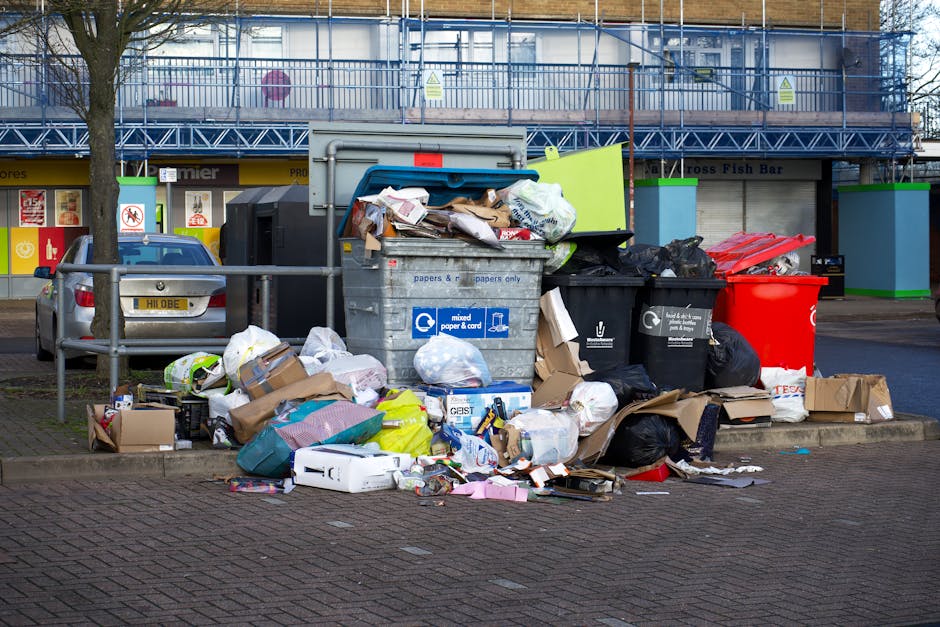
If you have ever been quoted a tidy price for rubbish removal in Catford, only to hear a different figure once the team arrives, you are not alone. Hidden charges can creep into waste collection jobs in ways that are easy to miss at first glance: access fees, loading surcharges, minimum-load rules, parking costs, and "extra item" add-ons that were never properly explained. The good news is that most of them can be spotted before you book, if you know what to look for.
This guide breaks down how to spot hidden rubbish removal fees in Catford in plain English. You will learn the common pricing traps, the questions to ask, the paperwork to check, and the practical signs that a quote is genuinely transparent. We will also cover when different kinds of clearance jobs may need a closer look, from domestic clear-outs to heavier items, garden waste, builders' rubble, and office waste. Let's face it, nobody wants a nice clean driveway and a nasty surprise on the invoice.
Why how to spot hidden rubbish removal fees in Catford matters
Clear pricing matters because rubbish removal is often arranged under pressure. A loft is full. The garage has become a storage cave. A tenant is moving out by Friday. The builder has just left a pile of rubble by the fence. In those moments, people tend to focus on speed, not the detail buried in the quote. That is exactly where hidden fees thrive.
In Catford, where homes, flats, side access paths, shared driveways, and tight parking can all affect the job, pricing needs to be explained properly. A fair quote should reflect the actual work involved, not a series of vague extras revealed later. If a company is clear from the start, you can budget properly, compare options sensibly, and avoid awkward conversations at the kerbside.
There is also a trust issue. When a company is upfront about what is included, that often tells you a lot about how they handle the rest of the job too. Are they insured? Do they explain load size clearly? Do they provide written terms? Are they honest about recycling and disposal? These things matter, even if they do not look exciting on the booking form.
Key takeaway: the best way to avoid hidden rubbish removal fees is not to chase the lowest headline price. It is to understand what the price actually includes, what could change it, and how the provider handles anything outside the original quote.
How how to spot hidden rubbish removal fees in Catford works
At a basic level, rubbish removal pricing usually depends on volume, weight, labour, access, and disposal type. That sounds simple enough. In practice, the way those factors are packaged can make a quote look cheaper than it really is.
For example, a company may advertise a low starting price for a small amount of waste, then add charges for stairs, distance from the van, awkward access, mattress disposal, fridge removal, mixed waste sorting, or waiting time. None of these are automatically unreasonable. The problem is when they are not disclosed clearly enough for you to compare properly.
Here is the usual pattern:
- You request a quote based on a brief description or a few photos.
- A price is given, sometimes with caveats tucked into the small print.
- The team arrives and reassesses the job in person.
- Extra costs are introduced for items, access, time, or load size.
- You feel stuck because the waste is already there and you need it gone.
The trick is to reverse that process. Get the details upfront. Ask how the price is built. Clarify exactly what would change it. A transparent rubbish removal quote should make those points plain before anyone turns the engine on.
If you are arranging a larger clear-out, it can help to look at related services such as home clearance, house clearance, or loft clearance, because the pricing logic is often similar: access, labour, and waste type all shape the final cost.
Key benefits and practical advantages
Spotting hidden rubbish removal fees early is not just about saving a few pounds, though that is certainly part of it. It also makes the whole job calmer and easier. You know where you stand. The quote feels real. And the team on site is less likely to surprise you halfway through the load.
- Better budgeting: you can plan the full cost instead of guessing.
- Cleaner comparisons: you compare like with like, not headline price against "price plus extras".
- Less stress on the day: no awkward haggling when bins are already full and the van is parked outside.
- Fewer disputes: clear terms reduce the chance of disagreement after the job.
- More trust: transparent pricing usually reflects a more professional operation overall.
There is another upside people sometimes overlook. When you ask detailed questions, decent providers tend to respect that. You are signalling that you value clarity. That alone can shift the tone of the conversation from salesy to professional. And that, in practice, is a good sign.
If your job involves specific waste streams, such as heavy household items or office clear-outs, it may be useful to check service-specific pages like furniture disposal or office clearance so you can see how a provider explains different job types.
Who this is for and when it makes sense
This matters for almost anyone arranging waste collection in Catford, but some people really need to pay close attention.
- Homeowners clearing bulky waste: old sofas, broken wardrobes, white goods, or mixed junk from a spare room.
- Renters and landlords: end-of-tenancy clearances where time is tight and the property needs to be left in decent order.
- Flat residents: where stairs, lifts, and communal access can affect labour time and pricing.
- Tradespeople: builders and decorators dealing with heavy or mixed waste that may be priced differently from household rubbish.
- Businesses: offices, shops, and small premises with regular waste or one-off clearances.
- People handling inherited or long-neglected spaces: garages, lofts, sheds, and storage units that always contain more than you remember. Always.
It also makes sense if you are comparing quotes from several providers. The cheapest one may not actually be the cheapest once all charges are included. Truth be told, that is one of the easiest traps to fall into when you are in a rush.
If your job is more specialised, look at the relevant service type before comparing prices. A garden clearance may be priced differently from a builders waste clearance, and those differences should be obvious, not hidden in a phrase like "subject to inspection".
Step-by-step guidance
Use this process before you book. It is simple, but it works.
1. Describe the waste in full
List what needs removing, not just "some rubbish". Include bulky items, bagged waste, timber, plasterboard, garden cuttings, broken appliances, or anything unusual. If the quote is based on a few photos, make sure the images show the whole pile and the access route too.
2. Ask what is included in the quoted price
Does the price include labour, loading, disposal, vehicle use, fuel, and VAT if applicable? Does it include stairs, waiting time, dismantling, or sweeping up afterwards? If the answer is vague, treat that as a warning light.
3. Ask what would increase the price
This is where hidden fees usually hide. Ask directly: what triggers an extra charge? Common triggers include extra volume, heavy materials, difficult access, parking distance, mixed waste, and specialist items. A straightforward company will answer without fuss.
4. Check whether there is a minimum charge or load threshold
Some services have a minimum load, which can be fair, but it should be clear. If you only have a small amount of waste, you need to know whether you are paying for a full small-load slot or a part-load arrangement.
5. Confirm access details
In Catford, access can be a bigger factor than people expect. Narrow hallways, top-floor flats, basement entrances, controlled parking, and long carries to the vehicle can all affect the job. Mention them early. If the waste is in a loft or garage, say so. It saves grief later.
6. Get the quote in writing
A written quote is not a luxury. It is basic protection. Even if the company is friendly on the phone, written confirmation gives you a paper trail and makes it easier to spot changes later.
7. Read the terms before you agree
Yes, it is dull. Nobody enjoys reading terms and conditions while the kettle boils. But this is where things like cancellation, access charges, waiting time, and liability should be explained. A quick scan now can save a lot of frustration later.
If you want a good benchmark for transparent booking language, take a look at the site's pricing and quotes page and the terms and conditions page, because those are the kinds of pages that should tell you how the service is meant to work.
Expert tips for better results
These are the small things that make a big difference.
- Use photos, but do not rely on them alone. A photo of a pile on the floor may hide the real issue: access.
- Ask for a "total job price". That phrase encourages clarity. It is harder for extra fees to creep in unnoticed.
- Check whether items are priced individually or by load. Some bulky items carry their own cost. One mattress can change a quote more than a whole bag of light waste.
- Be honest about the awkward bits. If there is no lift, say so. If parking is tight, say so. If there is a back garden with a long path, say so.
- Keep the waste in one place if you can. Scattered waste can increase labour time, and that can affect the price.
- Ask how the company handles recycling and disposal. Responsible handling does not automatically mean a higher fee, but it should be explained clearly.
One small, practical tip from experience: if the team sounds rushed when you ask about extras, slow the conversation down. A good provider should be able to explain the price calmly, even if the job is messy and the weather is doing that classic grey London thing.
For businesses and work sites, it may also help to check business waste removal if your rubbish includes recurring waste streams or commercial materials. Different setups can have different pricing logic, and that is worth understanding early.
Common mistakes to avoid
People usually do not get caught out because they are careless. They get caught out because they are busy. Still, there are a few repeat mistakes worth avoiding.
- Chasing the cheapest headline price. A low starting figure can be meaningless if the final invoice climbs.
- Not mentioning access problems. Stairs, distance, or restricted parking can change the job materially.
- Assuming "all waste included" really means all waste. Sometimes heavy, hazardous, or specialist items are excluded.
- Failing to ask about minimum charges. Small jobs can end up being less cost-effective than expected.
- Agreeing to vague wording. Phrases like "from", "estimated", or "subject to site check" are not bad by themselves, but they need explanation.
- Not comparing the same scope. One quote may include labour and disposal, while another only covers collection. That is not an equal comparison.
There is also the human mistake of not wanting to seem fussy. Honestly, you do not need to apologise for asking what a service costs. It is your money. Ask the question.
Tools, resources and recommendations
You do not need fancy software to protect yourself from hidden rubbish removal fees. A simple system usually does the job better.
| Tool or resource | Why it helps | What to look for |
|---|---|---|
| Phone camera | Lets you document the waste and access route | Wide shots, close-ups, stairs, parking, gates, and narrow hallways |
| Notes app or checklist | Keeps the quote request consistent | Item list, quantity, access details, and questions about extras |
| Written quote or email confirmation | Creates a clear record of what was agreed | Total price, exclusions, and any extra-charge triggers |
| Measured rough estimate | Helps you compare service offers | Number of bags, item count, or approximate van load |
| Company policy pages | Shows how the business handles payment, safety, and complaints | Clear wording, easy-to-find terms, and no confusing gaps |
Helpful site pages to review before booking include payment and security, insurance and safety, and recycling and sustainability. These pages are not just formalities; they can tell you how seriously the company treats the job.
Law, compliance, standards, and best practice
Rubbish removal is not just a pricing issue. It also touches on duty of care, safe handling, correct disposal routes, and honest business practice. You do not need to become a compliance specialist, but you should expect the provider to operate responsibly.
In the UK, legitimate waste carriers should be able to explain how waste is handled and disposed of. They should not be vague about where material goes, and they should not encourage anything that looks like fly-tipping or careless dumping. If a price is suspiciously low, that can be a sign that corners are being cut somewhere. Not always, but enough to be cautious.
Best practice also means clear communication. A good provider should:
- state what is included and excluded;
- explain any charge that may apply on arrival;
- handle waste safely;
- avoid misleading sales language;
- keep payment terms understandable;
- offer a basic complaints route if something goes wrong.
For readers who value business transparency, the company's complaints procedure and about us page can also be useful signals. They help show whether the business is set up to deal with problems in a proper, adult way. Which, frankly, should not be rare, but here we are.
Options, methods, or comparison table
There are several ways rubbish removal is priced, and each has strengths and risks. Knowing the difference makes hidden fees easier to spot.
| Pricing method | How it usually works | Possible hidden-fee risk | Best for |
|---|---|---|---|
| Fixed quote | One agreed price for a clearly described job | Low, if the scope is honest and written down | Jobs with clear item lists and access details |
| Load-based pricing | Price depends on how much van space the waste takes | Medium, if load size is interpreted loosely | Mixed household or clearance waste |
| Item-based pricing | Each bulky item has its own price | Medium to high, if extra items appear later | Furniture and appliance removal |
| Site-assessed pricing | Final price confirmed on arrival after inspection | Higher, unless the inspection process is very clear | Complex, awkward, or large jobs |
There is no perfect method for every job. Fixed quotes are usually easiest to understand, while site-assessed pricing can be fair for complex work if the provider explains the rules properly. What you want to avoid is a vague blend of all four, where nobody seems quite able to say how the final figure is built.
Case study or real-world example
Picture a small flat in Catford with a couple of broken wardrobes, several bin bags, and an old mattress tucked into a corner. The resident gets two quotes. The first is lower, but it only mentions collection "from". The second is slightly higher, but it says loading, disposal, mattress handling, and labour are included.
On the day, the cheaper provider adds a charge because the flat is up two flights of stairs and there is no easy parking outside. The final cost ends up higher than the more transparent quote. Not by a tiny amount either. The resident is annoyed, the day is delayed, and what should have been a straightforward job turns into a long, weary conversation near the front door.
That is the pattern hidden fees often follow. They do not always show up as a dramatic scam. Sometimes they arrive as small, believable adjustments that accumulate after you have already committed. This is why it pays to ask the awkward questions early. A bit of thoroughness at the start can save a lot of hassle later on.
If the job involves a larger home clear-out, a flat clearance or broader house clearance approach may be more suitable than a simple one-off collection. The right service shape can make pricing clearer too.
Practical checklist
Use this before you confirm any rubbish removal booking in Catford.
- Have I listed every item and type of waste clearly?
- Have I mentioned stairs, lift access, gates, parking, and walking distance?
- Do I know whether labour, loading, and disposal are included?
- Have I asked what would trigger extra charges?
- Is there a minimum load or minimum call-out charge?
- Have I asked how bulky, heavy, or specialist items are priced?
- Is the quote in writing?
- Have I read the terms and conditions?
- Do I understand the payment method and timing?
- Have I checked that the service feels transparent and professional?
If you can tick most of those off, you are in a much stronger position. Not perfect, maybe, but much stronger. And that is usually enough to avoid the worst surprises.
Conclusion
Hidden rubbish removal fees are usually not difficult to avoid once you know where they hide. The real skill is slowing the process down just enough to get clarity before booking. Ask what is included, what is excluded, how access affects the price, and whether the quote can change on arrival. Keep the details in writing. Compare the same scope, not just the lowest figure.
In Catford, where property layouts and access conditions can vary quite a bit, that extra minute of checking is worth it. It protects your budget, reduces stress, and helps you choose a provider that is open from the start. That is the kind of service people remember for the right reasons.
Get a free quote today and see how much you can save.
And if you are still deciding, take your time. A clear quote is a good sign. A calm answer to a direct question is an even better one.
Frequently Asked Questions
What are hidden rubbish removal fees?
They are extra charges that are not clearly explained at the quote stage. Common examples include access charges, labour surcharges, minimum-load fees, and charges for bulky or heavy items.
How can I tell if a quote is genuine or just a headline price?
Ask what is included in the price, what would make it change, and whether labour, disposal, and loading are covered. A genuine quote should be easy to explain in plain language.
Do stairs or flat access usually cost extra?
They can, depending on the provider's pricing model. Stairs, lifts, long carries, and awkward access often affect labour time, so mention them before booking.
Is it better to get a fixed quote or an estimated price?
A fixed quote is usually easier to understand and compare. An estimate can still be useful, but only if the provider is clear about what might change it.
Can rubbish removal costs change on the day?
Yes, if the job is different from what was originally described. That is why accurate photos, item lists, and access details matter so much.
What details should I give when asking for a quote?
Tell the provider what needs removing, how much there is, where it is located, whether it is in a flat or house, and whether access is difficult. The more specific you are, the better.
Are bulky items more expensive to remove?
Often, yes. Sofas, mattresses, appliances, and heavy furniture may be priced differently from lighter mixed waste because they take more space or more handling.
Should I read the terms and conditions before booking?
Yes, definitely. That is where cancellation rules, payment terms, exclusions, and possible extra charges are usually explained.
How do I compare two rubbish removal quotes properly?
Make sure both quotes cover the same items, access conditions, labour, and disposal. Comparing a full-service quote with a partial one can be misleading.
What should I do if the final price is higher than agreed?
Ask for a clear explanation before paying anything. Refer back to the written quote if you have one. If something still does not add up, use the company's complaints procedure.
Does recycling or responsible disposal affect the price?
It can, but it should be explained clearly. Responsible handling is part of a professional service, and you should know what you are paying for.
What is the easiest way to avoid surprise charges?
Be specific, get the quote in writing, and ask directly what would increase the price. That simple habit prevents most of the common issues.
If you would like to understand how a transparent waste service is presented more broadly, you may also find the company's waste removal page useful alongside the information on recycling and sustainability.