Health and Safety Policy — Garden Clearance Catford
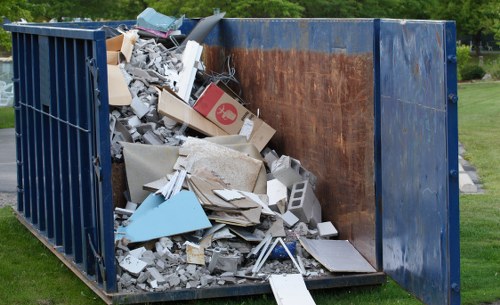 This Health and Safety policy sets out the principles and practical measures adopted by our garden clearance and rubbish removal teams operating within the rubbish company service area. It is written to ensure that all operations involving garden waste, green waste, bulky items and mixed household debris are carried out with the highest regard for safety, environmental protection and regulatory compliance. The policy applies to employees, sub-contractors and any personnel working on behalf of the clearance business.
The purpose of this document is to define responsibilities, risk management approaches and procedural controls for site work, vehicle operations and waste transfer activities. Emphasis is placed on preventing accidents, managing hazardous finds, and ensuring the welfare of staff and the public. This statement complements standard operating procedures for a local waste collection and garden clearance provider that operates across a defined service zone.
 Scope: the policy covers site assessment, manual handling, safe use of tools and machinery, vehicle loading and unloading, hazardous materials identification, personal protective equipment (PPE), and emergency procedures. It also addresses coordination with waste transfer stations and authorised disposal routes. These measures are relevant to any rubbish clearance service area and are intended to be proportionate and practical.
Roles and Responsibilities
Managers and supervisors are responsible for implementing the policy, conducting risk assessments and maintaining records of training and incidents. Staff must report hazards, follow safe working practices and use the prescribed PPE. Visitors and members of the public who are present during clearance activities must be kept at a safe distance and given sufficient warning about moving vehicles, sharp objects and unstable materials.
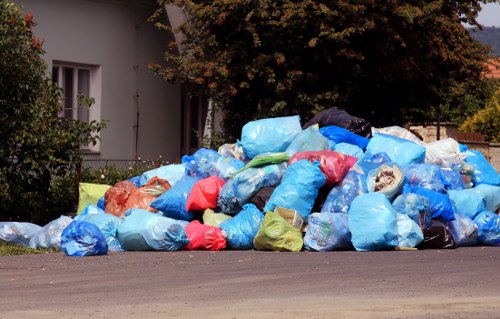 Risk Assessment: before work begins a competent person must complete a written or documented dynamic risk assessment that identifies hazards such as broken glass, asbestos-containing materials, syringes and chemical containers. Controls should include segregation of hazardous items, use of lockable containers for sharps, and referral to authorised hazardous waste handlers when required. The assessment must be reviewed where site conditions change.
Training: all operatives engaged in garden waste clearance and rubbish collection must receive training in manual handling techniques, safe operation of powered tools, traffic management for driveway and kerbside work, and basic first aid. Records of training and competence assessments shall be maintained and reviewed at regular intervals.
Operational Controls and Safe Systems of Work
Loading and Transport: vehicles must be secured and maintained to prevent spillage during transit within the waste collection service area. Loads should be evenly distributed and contained. Drivers must ensure that waste is covered or contained as appropriate and that vehicle checks are completed before departure. Seat belts and safe lifting aids are to be used at all times.
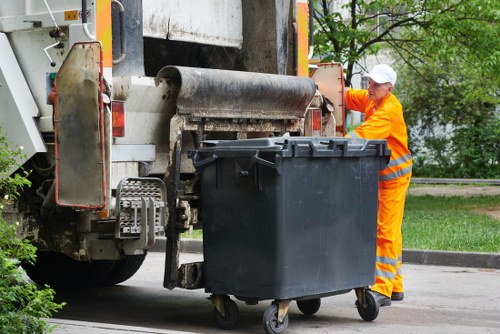
Manual Handling and Equipment: operatives must use mechanical aids such as trolleys, sack trucks and lifting straps wherever practicable. When manual lifting is unavoidable, team lifts and appropriate handling techniques must be used to reduce the risk of musculoskeletal injury. Tools must be inspected before use and stored safely when not in use.
Site Safety: a clear exclusion zone should be established around active working areas to protect the public and pets. Signage and barriers may be necessary in busy residential streets. Where work is near overhead lines, boundary walls or slopes, specific control measures and work permits must be in place to mitigate collapse or electrocution risks.
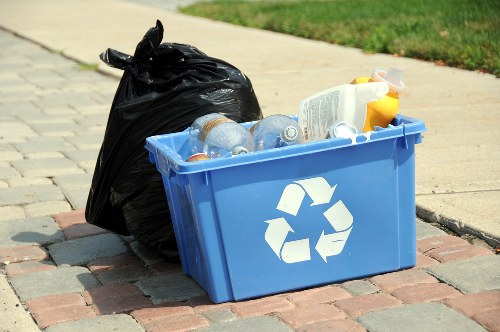
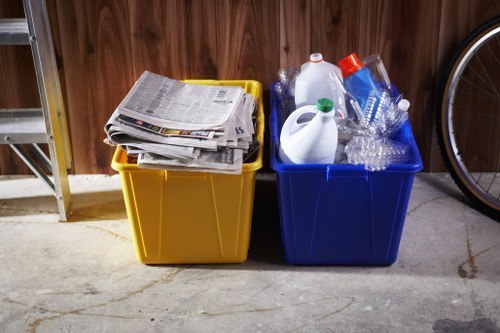
 Hazardous Materials and Waste Segregation: identification of hazardous or special wastes is critical. Any suspected asbestos, solvents, pesticides, oils or batteries must be left in situ and reported to the supervisor for specialist removal. The rubbish clearance team should segregate recyclable green waste from general refuse and follow authorised disposal routes to minimise environmental impact.
Personal Protective Equipment (PPE): appropriate PPE includes high-visibility clothing, gloves resistant to puncture and chemical exposure, safety boots, eye protection and respiratory protection where dust or airborne contaminants are present. PPE must be provided, fitted and maintained by the employer, and operatives must be trained in its correct use and limitations.
Emergency Preparedness: an emergency plan must cover first aid provision, procedures for significant spills or contamination events, and contact arrangements with emergency services. First aid kits and spill kits should be accessible in vehicles and at base. All employees must know the location of the nearest medical facility and the steps to summon assistance.
 Monitoring, Reporting and Continuous Improvement: incidents, near misses and unsafe conditions must be reported and investigated to identify root causes and to implement corrective actions. Regular site audits and toolbox talks promote a safety culture and help ensure the rubbish collection and garden clearance operations remain compliant and effective across the service area.
Legal and Regulatory Compliance: the policy commits to adhering to applicable health and safety legislation, waste management regulations and environmental protection standards. Records of waste movements, training, risk assessments and equipment maintenance are retained to demonstrate due diligence and to support regulatory inspections without over-specifying local administrative details.
Review and Revision: this policy is reviewed annually or sooner following significant operational changes, incidents or legislative updates. Revisions are documented and communicated to all personnel. The overall objective is to provide a safe, reliable and responsible garden clearance and rubbish removal service that protects people, property and the environment across the defined rubbish company service area.
- Key commitments: prevent injury, manage hazards, maintain competence.
- Operational focus: safe handling, segregation of waste, secure transport.
- Continuous action: monitor performance and improve safety systems.